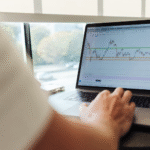



The world is smaller now. You can own stocks in Tokyo, bonds in London, crypto in Singapore, and real estate in Texas. That is exciting, but it is also a mess. You have to deal with different accounts, currencies, logins, and rules. Keeping track of all these can feel like a full-time job. This is where a centralized dashboard comes in. It is one place where all your investments come together. Here is how these tools help you see the whole picture.
Data Aggregation and Normalization
The first problem is data. Your stocks are at one broker, your crypto is on three exchanges, your bank accounts are at two banks, and your real estate is not even in a system. How do you see it all? A good dashboard pulls data from everywhere. It connects to brokers through APIs, links to exchanges, and also lets you add manual entries for things like property.
After that, the centralized dashboard normalizes the data and puts everything in the same format, currency, and categories. Now, you are not comparing yen to dollars or Bitcoin. For a clearer view, you can also use a global crypto and stock portfolio tracker. It shows your entire net worth on one screen.
Key Performance Indicators and Metrics
Once the data is together, you need to know what matters. A dashboard should show the following key metrics.
- Total value: The number that tells you if you are winning.
- Daily change: It shows how much you have gained or lost today.
- Asset allocation: You have a clear view of how much you have invested in stocks, bonds, crypto, cash, and real estate. This keeps you balanced.
- Sector exposure: Whether you have invested too much in technology or energy, the dashboard shows you.
- Currency exposure: If you own foreign assets, currency moves matter. The dashboard should track this.
All these metrics turn data into decisions. You see what is working and what is risky. In today’s digital world, even big marketing firms, like NP Digital, use advanced tools. They run campaigns across many platforms and pull data from Google, Facebook, TikTok, and more into one dashboard. This way, they see everything at once and make better decisions. Investors can also do the same by using advanced tools.
Leveraging Automation and Intelligence
A dashboard is not just a clear picture. It can also act. You can use automation to save time and prevent mistakes. Moreover, set alerts to get notified. If a stock drops 10%, the dashboard will send you an email. If your crypto allocation exceeds 20%, you will receive a notification.
Some dashboards let you trade from the same screen. This means you do not have to log into five brokers. Just click and execute. Rebalancing can also be automated through the dashboard. It analyzes your target allocation and your current position. After that, it tells you what to sell and what to buy. Some dashboards even execute the trades. This is intelligence. The computer does the math, and you just make the calls.